
Quotation gallery
Get over the idea that only children should spend their time in study. Be a student so long as you still have something to learn, and this will mean all your life.
“Kozybayev Readings – 2026”
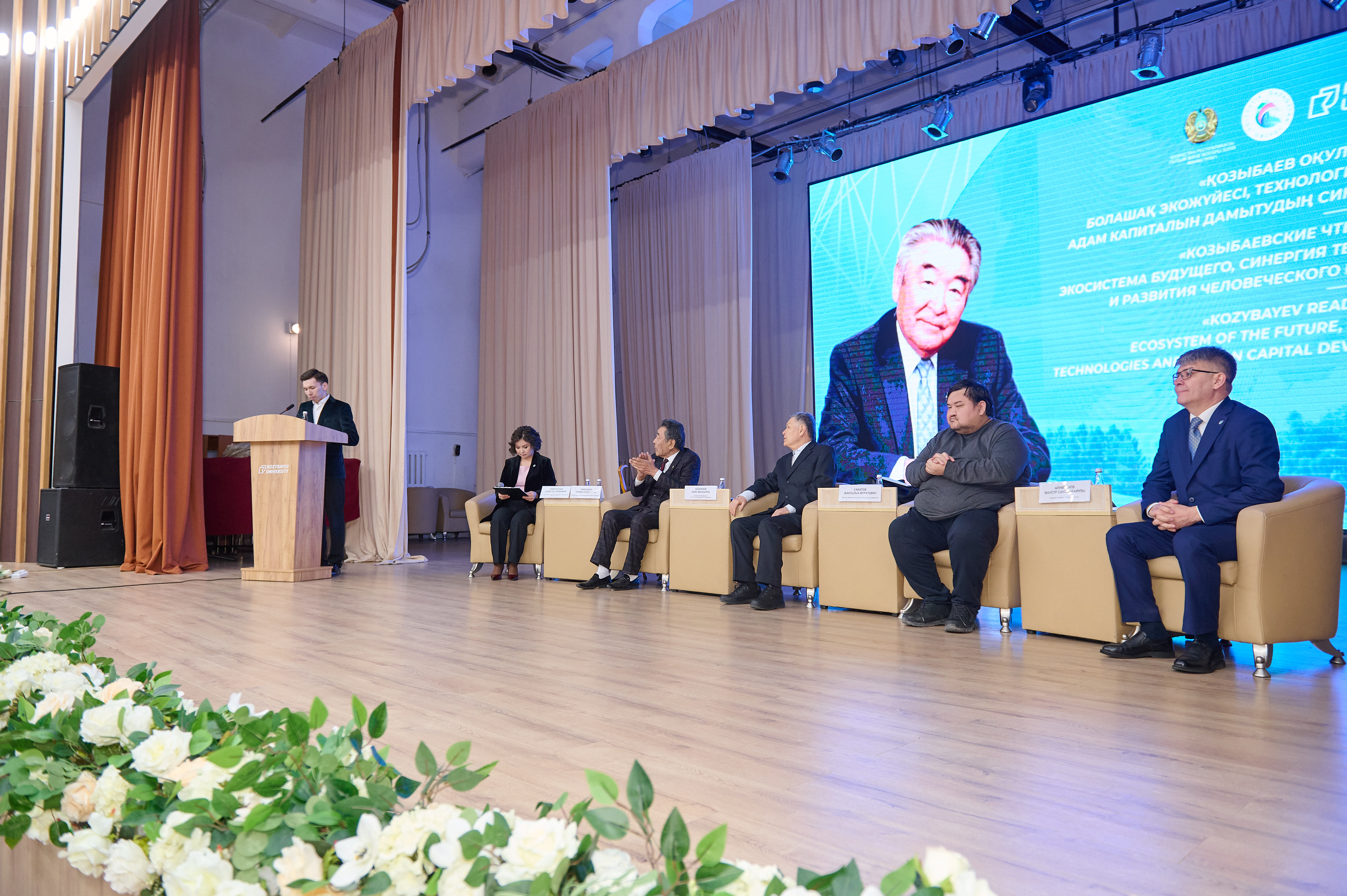
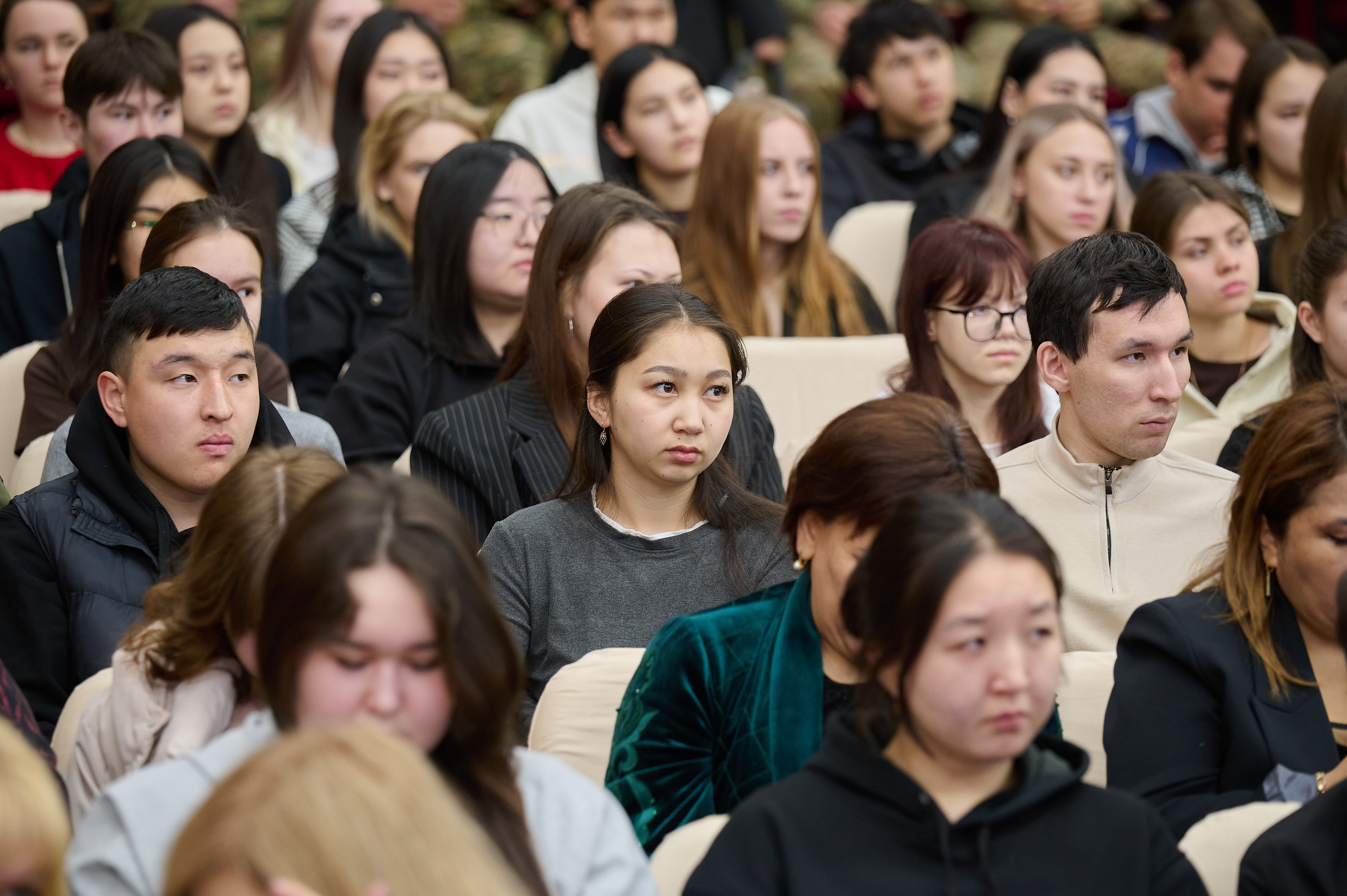
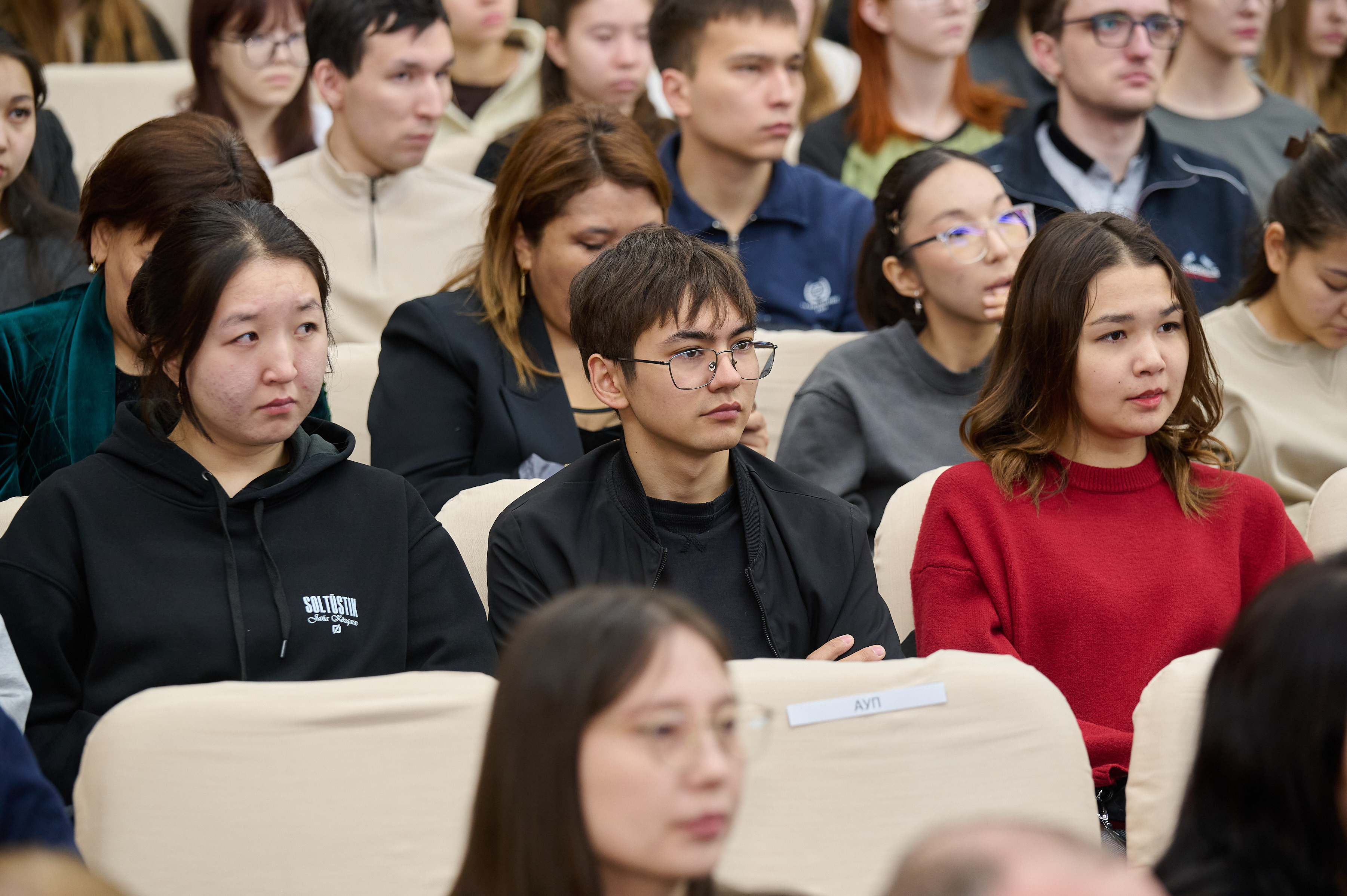
Kozybayev University hosted the International Scientific and Practical Conference “Kozybayev Readings – 2026: Ecosystem of the Future, Synergy of Technology and Human Capital Development”, dedicated to the 95th anniversary of the outstanding Kazakh historian and academician Manash Kozybayev.
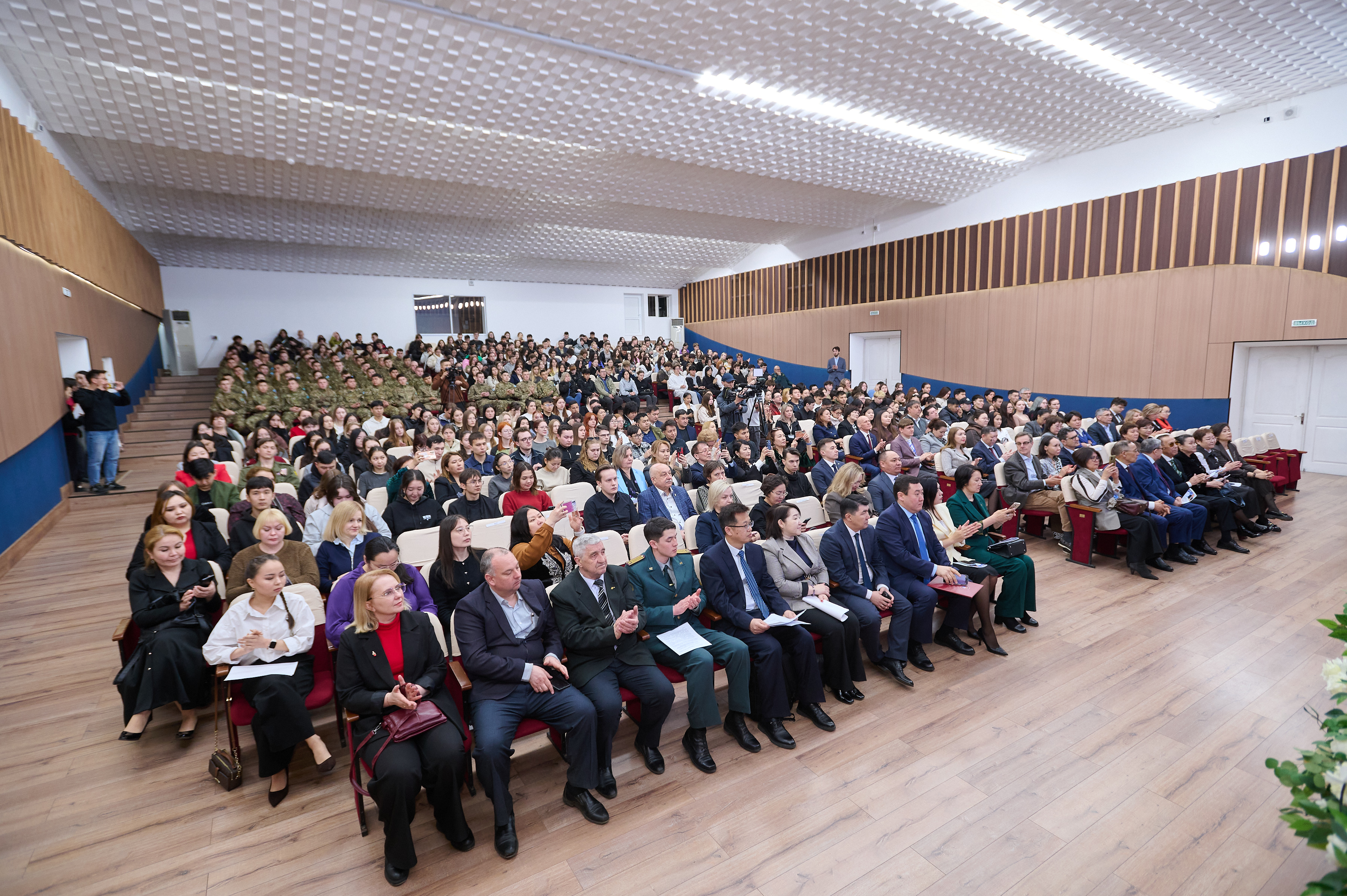
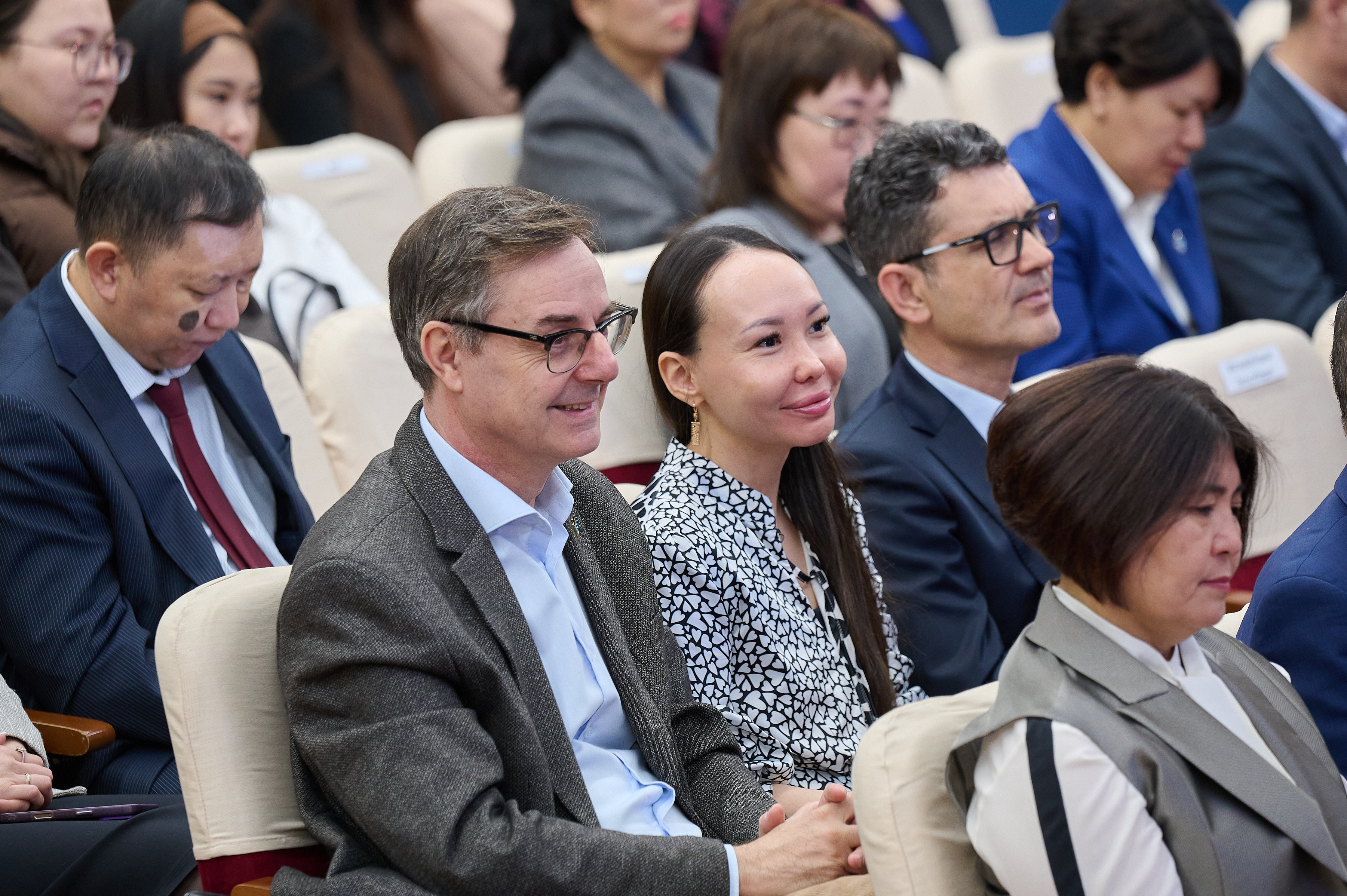
The Kozybayev Readings have been held at the university since 2003 and have become a platform for academic exchange among scholars not only from Kazakhstan but also from other countries. This year, the conference was organized within the framework of the Science Decade. The event brought together experts, researchers, educators, students, scientists, and public figures from Kazakhstan, China, Türkiye, Russia, and Uzbekistan. In total, more than 470 papers were submitted.
Congratulatory letters were sent by the Minister of Science and Higher Education of the Republic of Kazakhstan Sayasat Nurbek, the Akim of the North Kazakhstan Region Gauyez Nurmukhambetov, and strategic partners from the University of Arizona (USA).
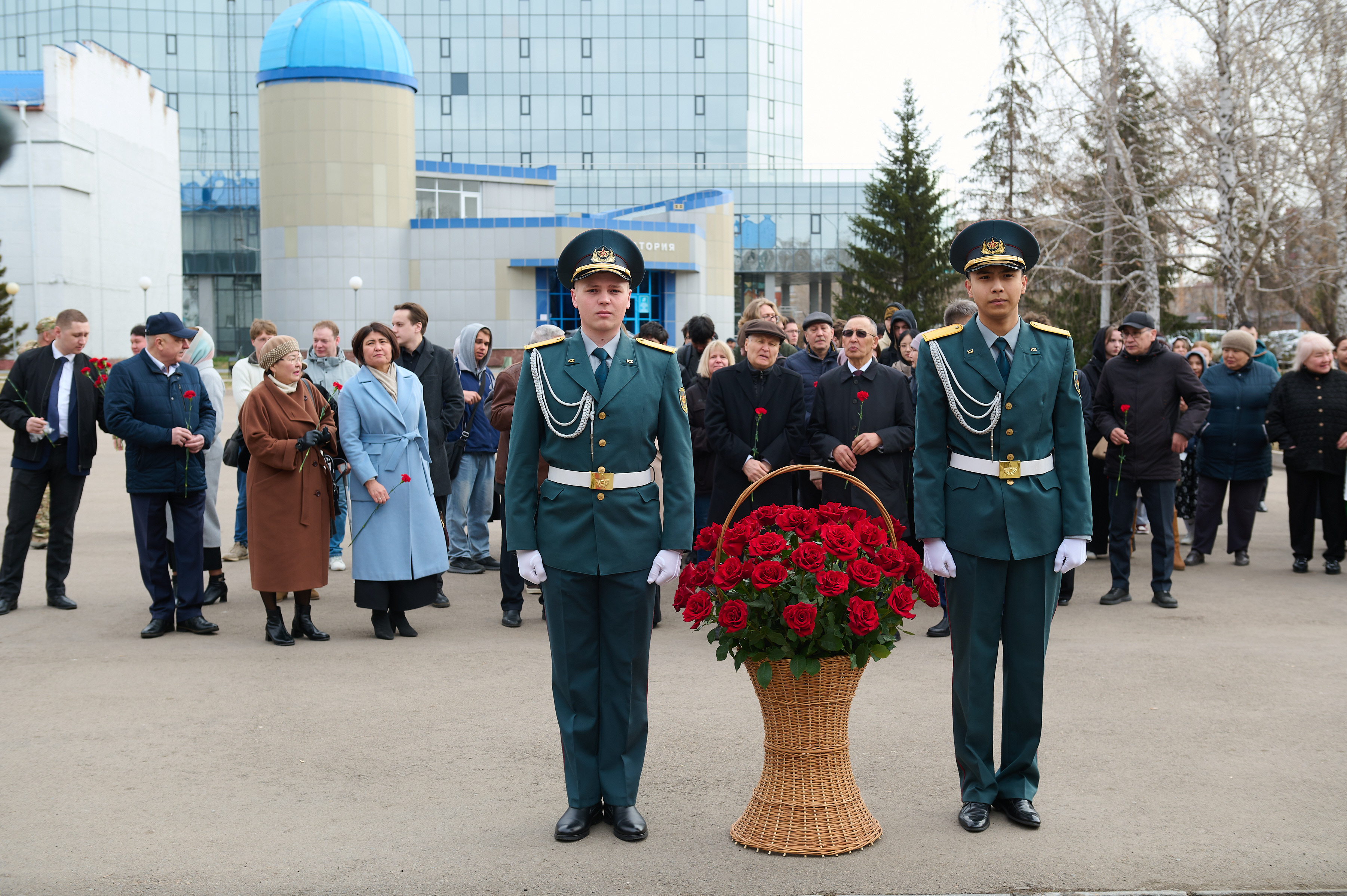
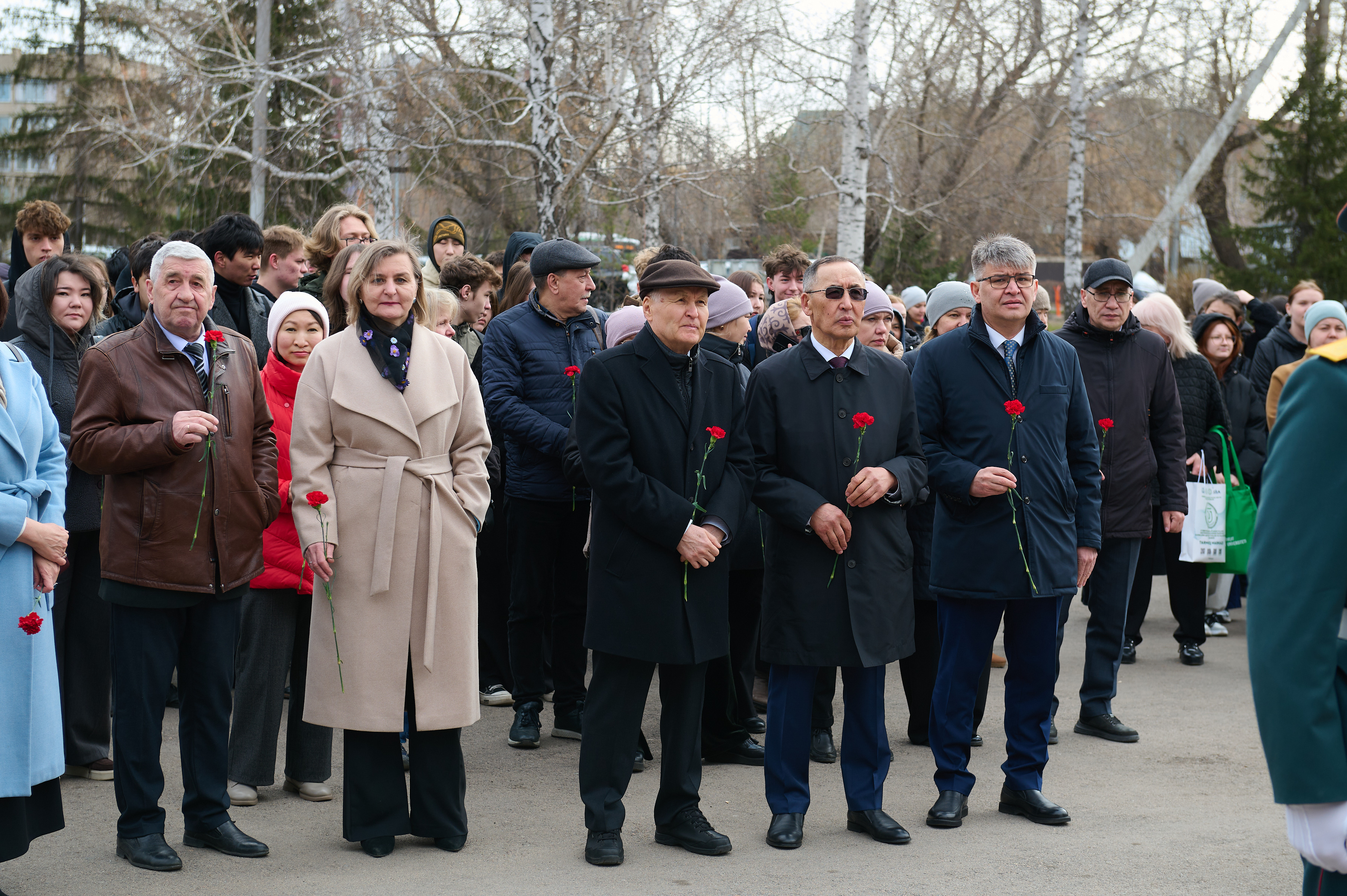
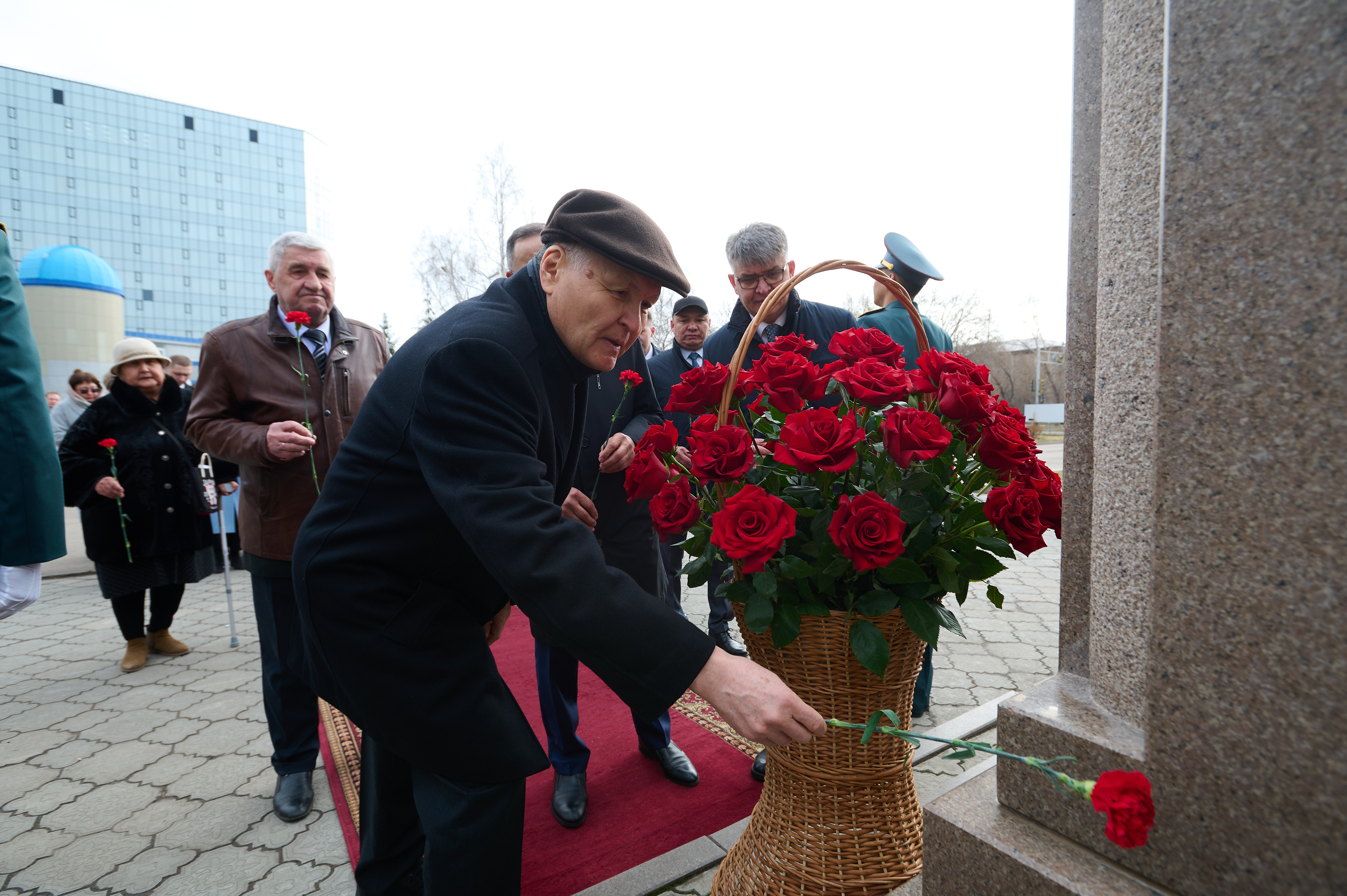
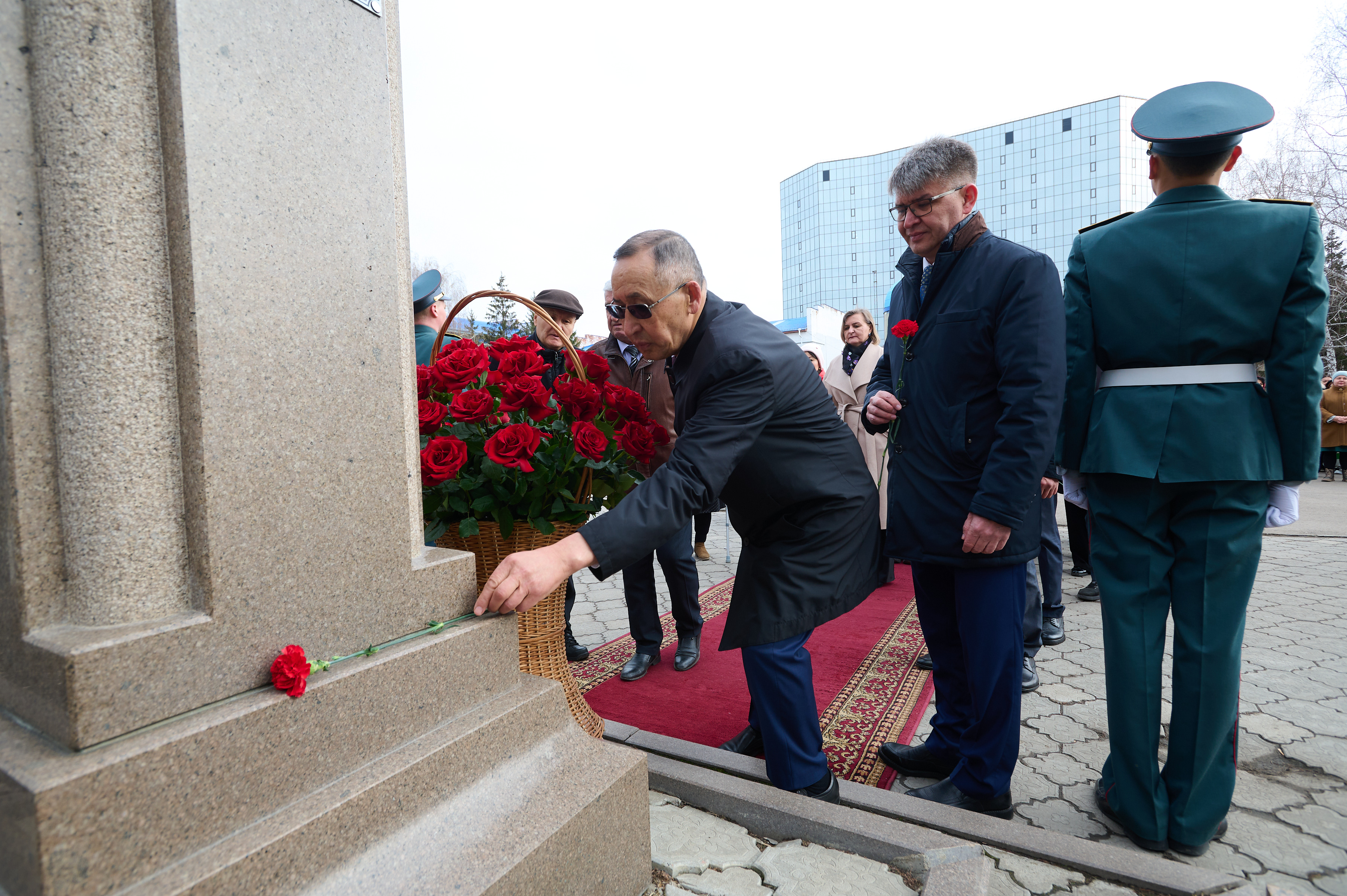
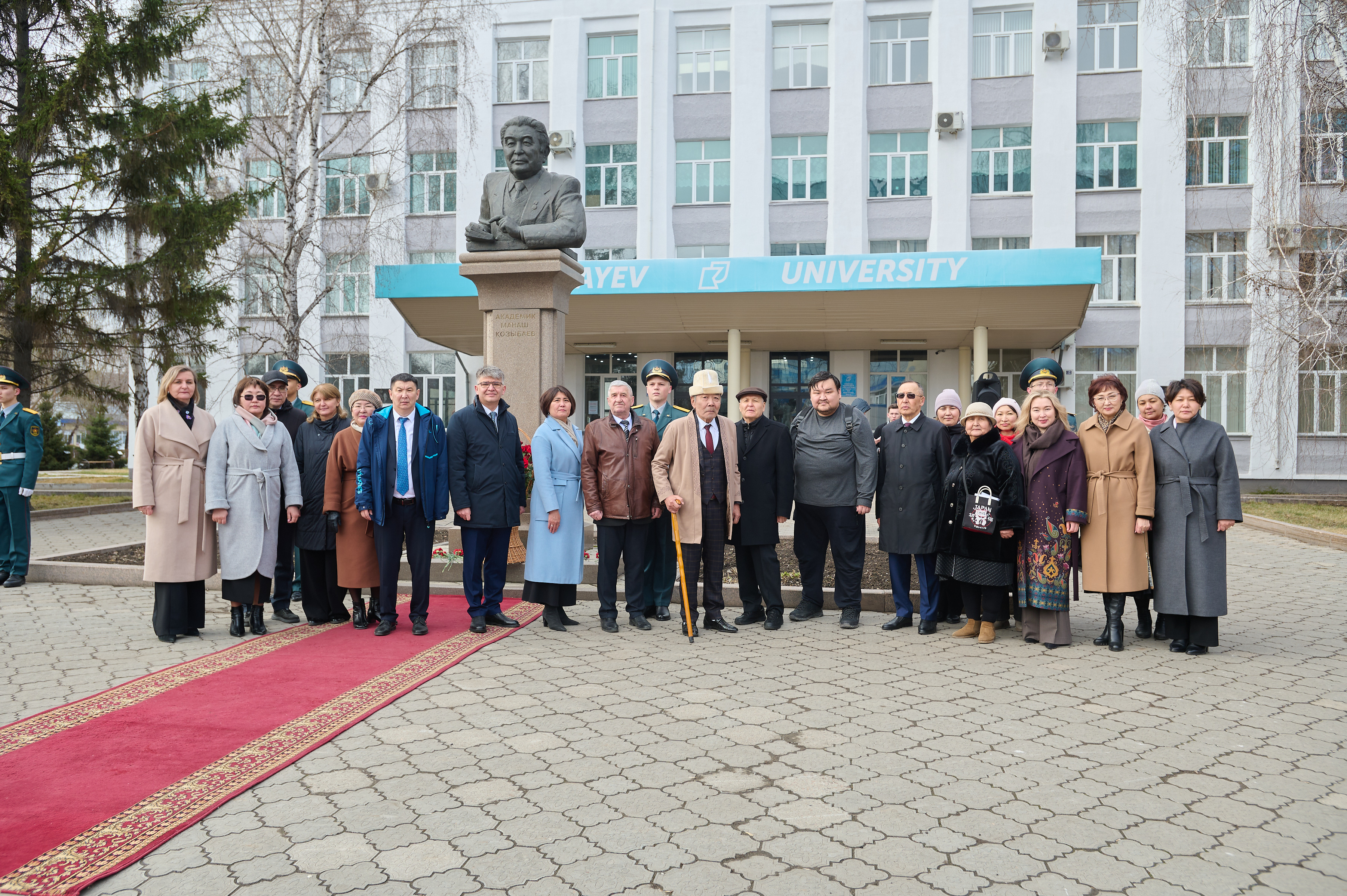
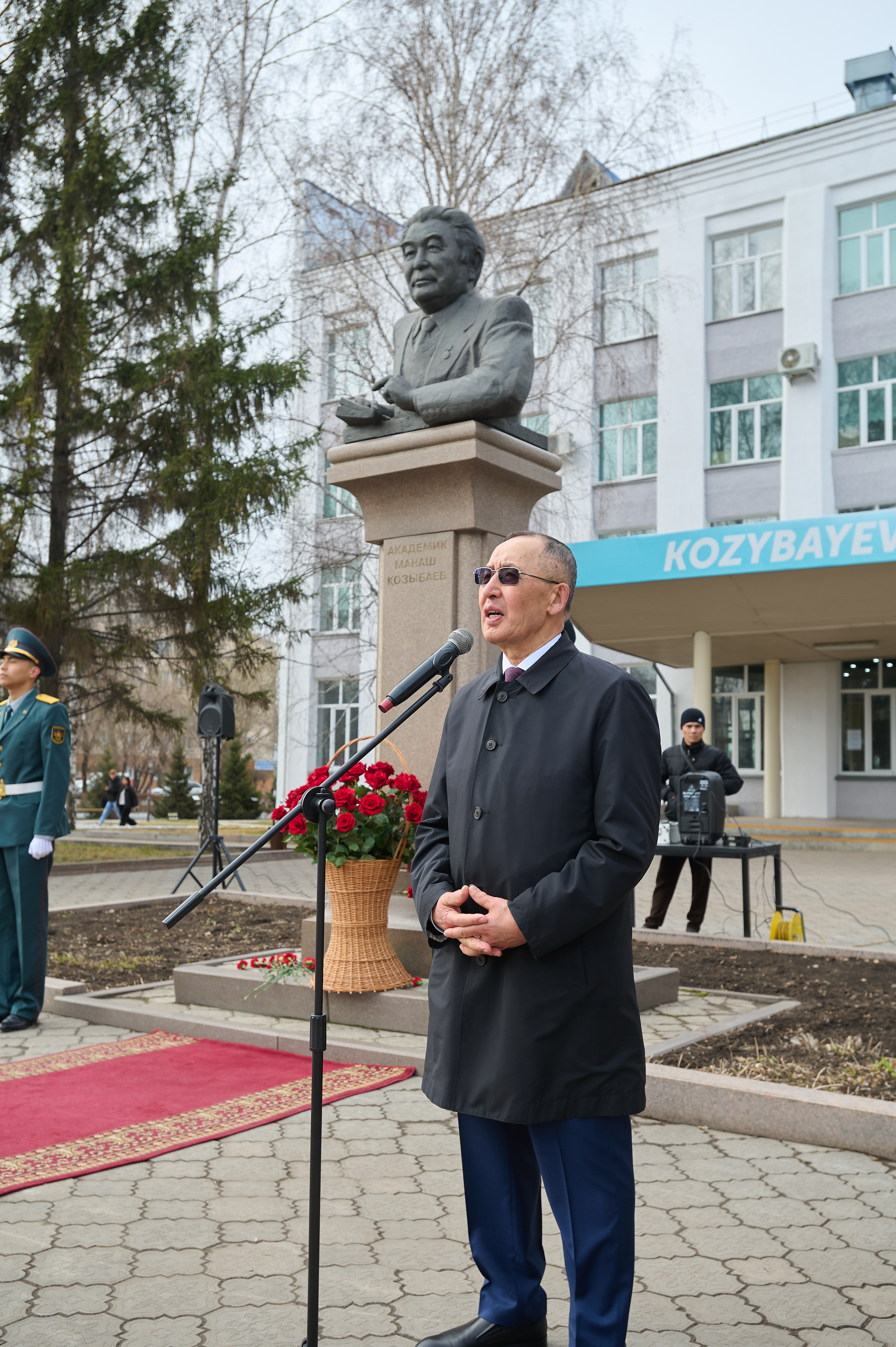
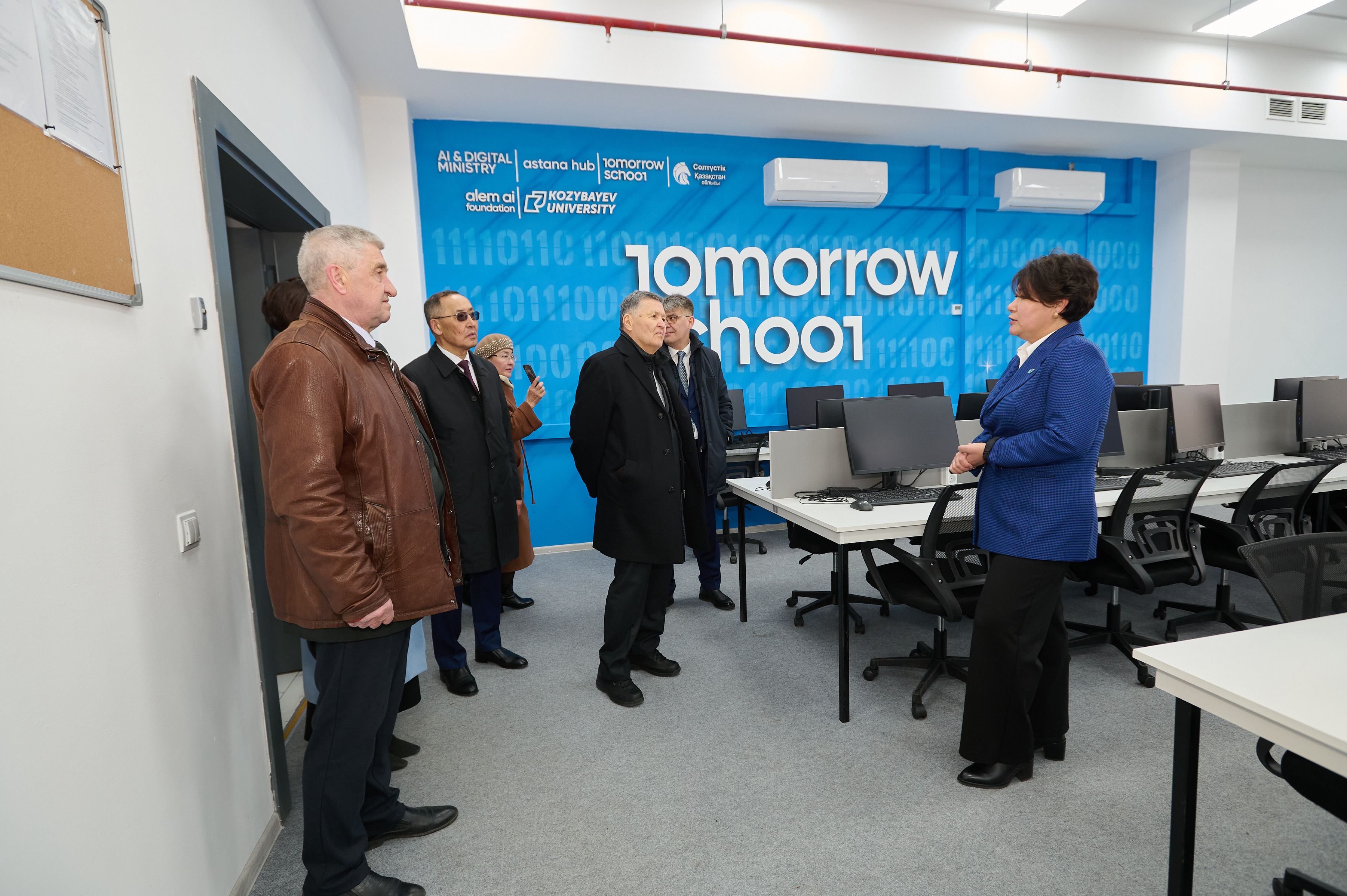
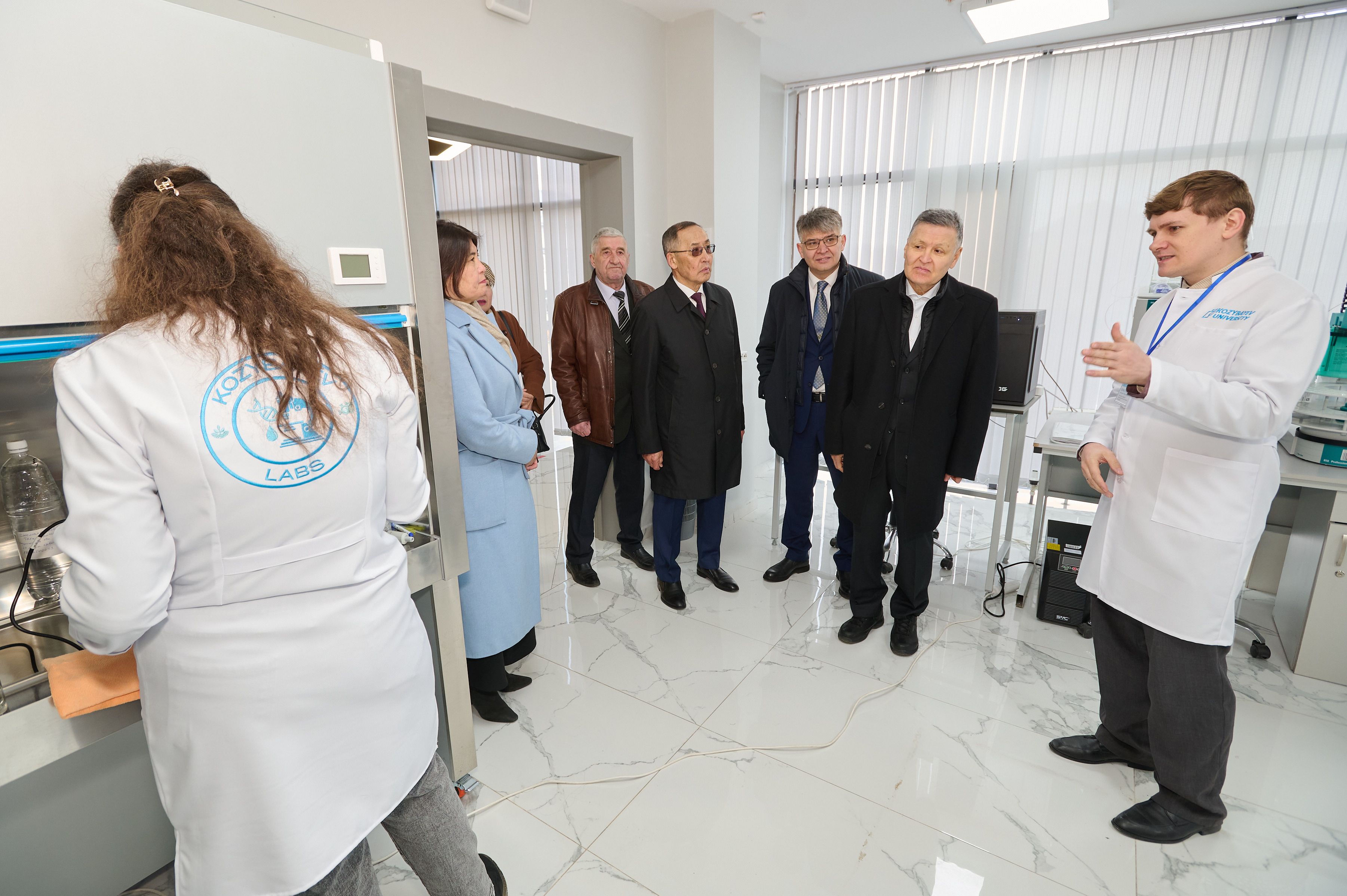
Traditionally, the event began with a flower-laying ceremony at the monument to M. Kozybayev, whose name the university has proudly borne since 2003. Guests then visited Kozybayev Labs research laboratories in agrochemical analytics, water quality assessment, microbiology, and other fields.
At the plenary session, speeches were delivered by Ilyas Kozybayev, Professor and Honored Worker of the Republic of Kazakhstan, son of M.K. Kozybayev; Zhaksylyk Sabitov, Director of the Scientific Institute for the Study of the Jochi Ulus; Zhang Joliang, Professor of Northwest A&F University (China); Saule Malikova, Director of the North Kazakhstan State Archive, and other speakers.
In his report, Professor Zarkyn Taishybay emphasized the significant contribution of Manash Kabashevich to the development of national historical science. According to the scholar, Manash Kozybayev laid the scientific foundations for studying the history of Kazakhstan from the perspective of independence and opened the way for a new direction aimed at renewing historical consciousness.
“My father passed away 24 years ago, but the memories he left still remain vivid in my mind. He was never strict with us. We looked up to him through his behavior, his human qualities, and his relationships with others. Even when he came home tired from work, he always devoted much attention to his family. He especially loved his grandchildren and tried to teach them discipline and work ethic. For them, he translated Russian fairy tales into Kazakh. To this day, his grandchildren have not forgotten their grandfather’s care and warmth,” shared Ilyas Kozybayev, Professor and Honored Worker of the Republic of Kazakhstan, son of M.K. Kozybayev.
The conference continued with an award ceremony honoring scholars, faculty, staff, and students with ministerial and university awards, as well as certificates of appreciation from the Akimat of the North Kazakhstan Region.
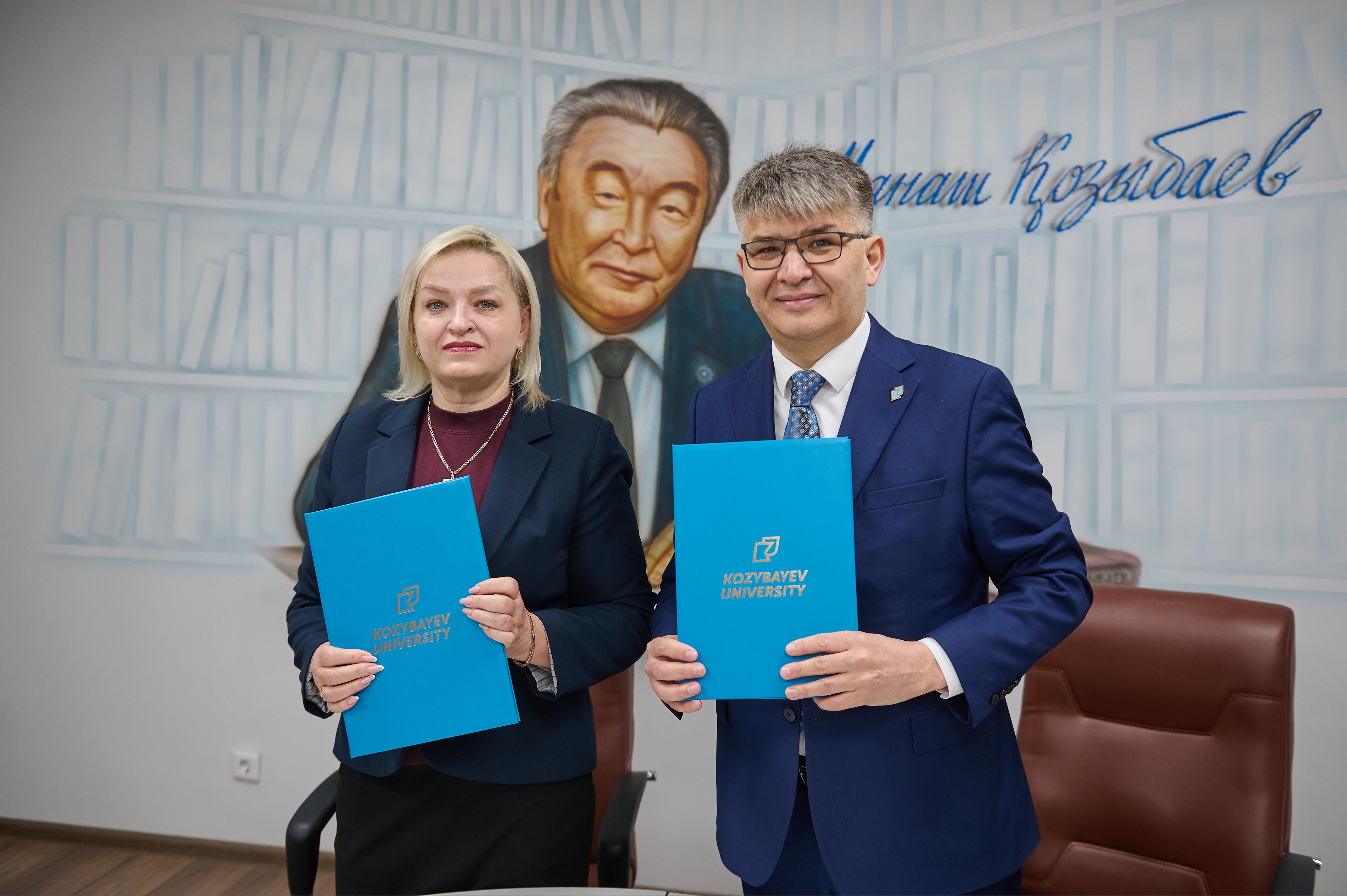
The work of the conference proceeded through sectional sessions covering mathematics, natural sciences, social sciences, law, economics, medicine, pedagogy, engineering, agricultural sciences, information systems in management, philology, and the integration of science, technology, and education in the context of global academic partnership. Within the framework of the Readings, a memorandum of cooperation was signed with Secondary School No. 23 in Kostanay, which also bears the name of Manash Kozybayev.
At the exhibition “Tarihtyn Tarlanbozy”, participants had the opportunity to explore the academician’s legacy. The life path of Manash Kabashevich is an example of lifelong, devoted service to Kazakh science. He consistently upheld the principles of restoring historical truth and interpreting events objectively, free from distortion or political bias. He made a significant contribution to shaping the ideology of independent Kazakhstan.
The international conference became not only an opportunity to honor the memory of an outstanding scholar but also to continue his legacy through new research and discoveries.