Quotation gallery
To know everything is to know nothing.
Archaeological Survey at the Kyzyl-Oba Site Conducted Using Modern Technologies
At an international symposium held in Astana in May this year, President of the Republic of Kazakhstan Kassym-Jomart Tokayev emphasized that the history of the Golden Horde would never lose its significance, describing it as “one of the most important pages in the history of our country and all humanity.”
Studying the heritage of Jochi Ulus requires the examination of archaeological materials, written sources, and historical and ethnographic research data, as well as the application of modern technologies.
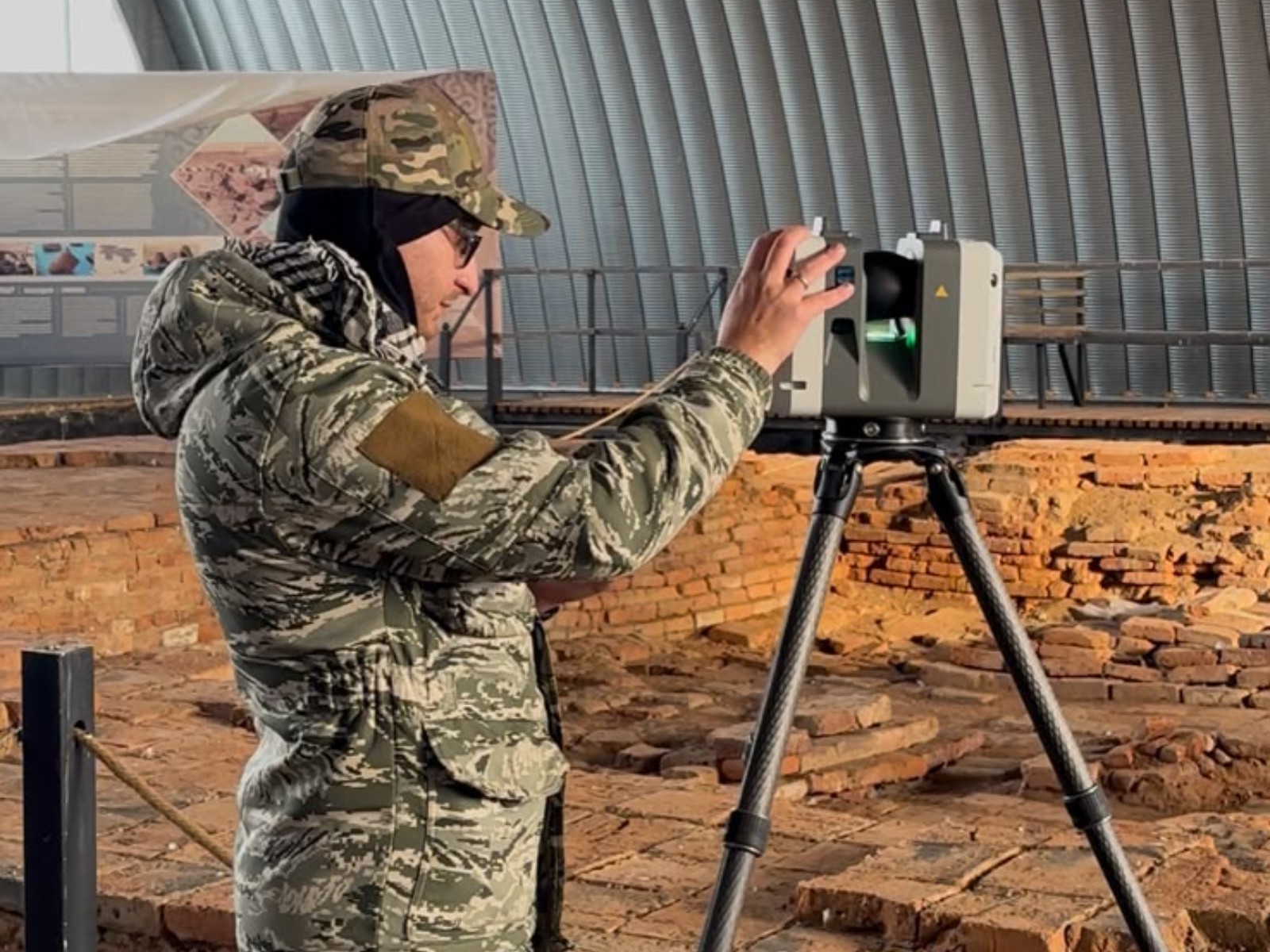
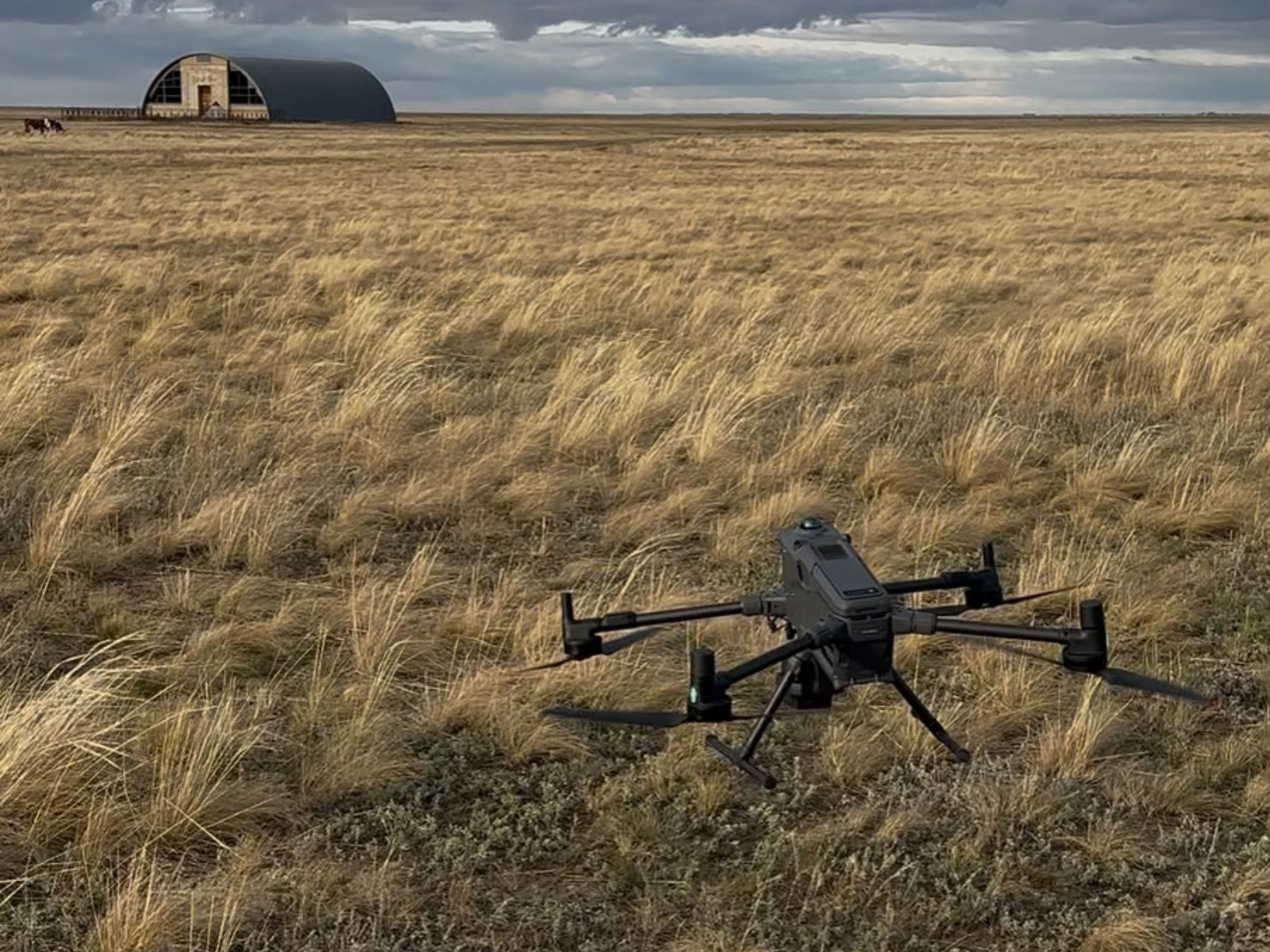
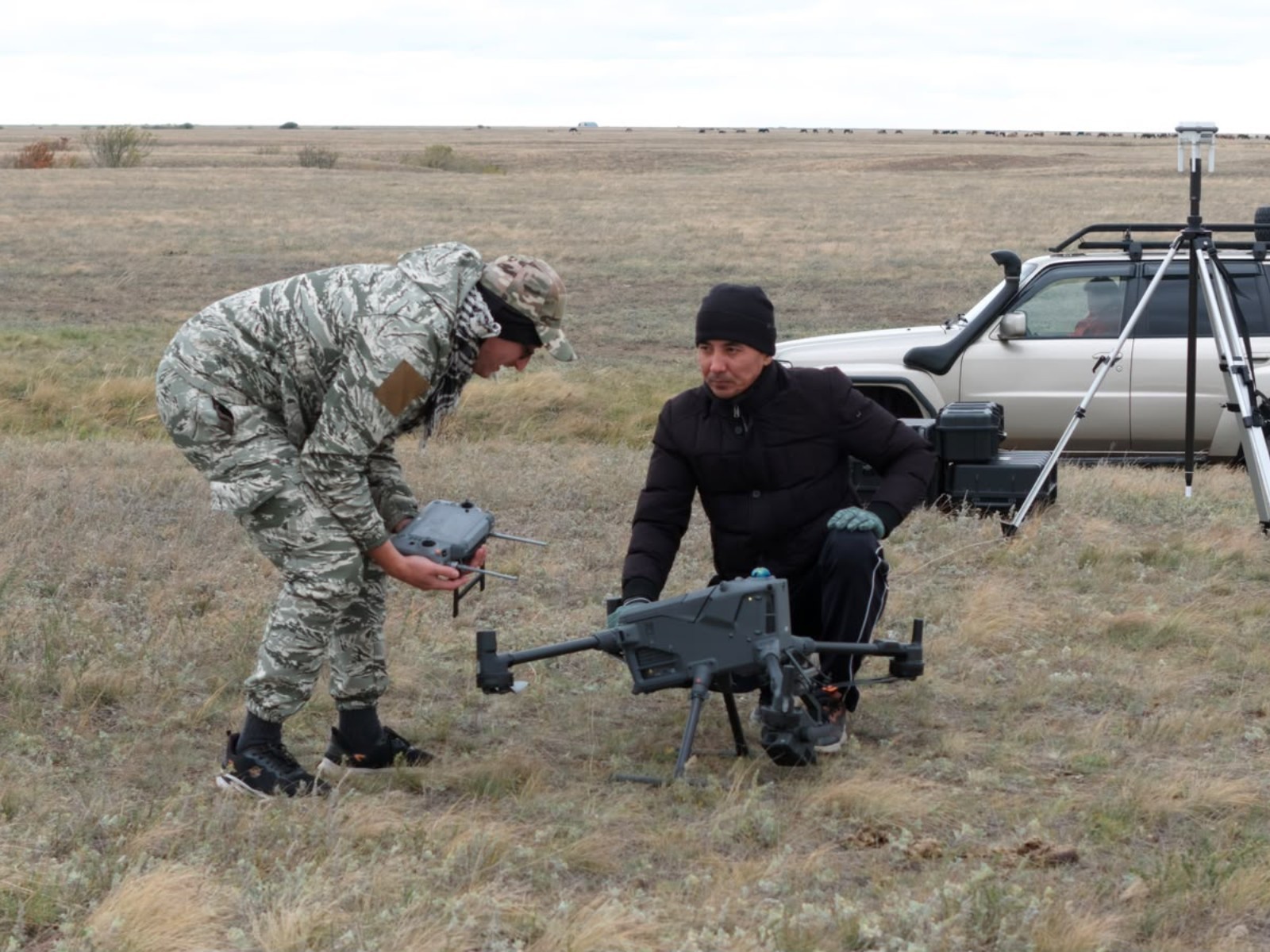
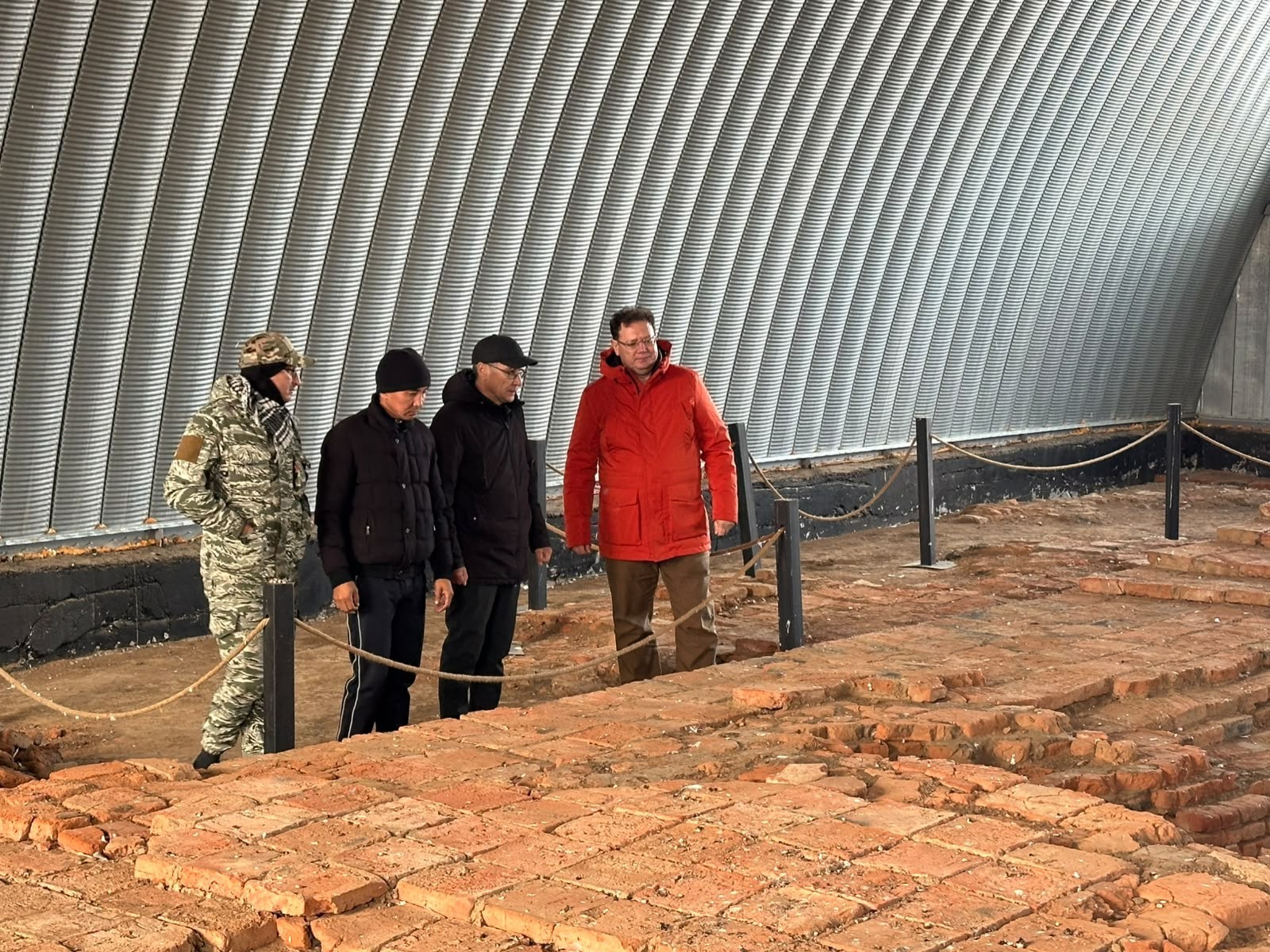
A research team comprising representatives of Kozybayev University and Margulan University (Pavlodar) is embarking on a new stage of work at the Kyzyl-Oba archaeological site in the Ualikhanov District of North Kazakhstan Region. The researchers have conducted joint archaeological surveys using modern instrumental methods.
LiDAR and geoscanning technologies make it possible to examine archaeological sites from a new perspective. They enable researchers to study terrain features, obtain data on the structure of an area, and identify potential subsurface structures without extensive disturbance of the cultural layer. The survey was aimed at examining the territory of the complex, clarifying its spatial boundaries, and identifying promising areas for further investigation.
Why Is Kyzyl-Oba of Particular Importance?
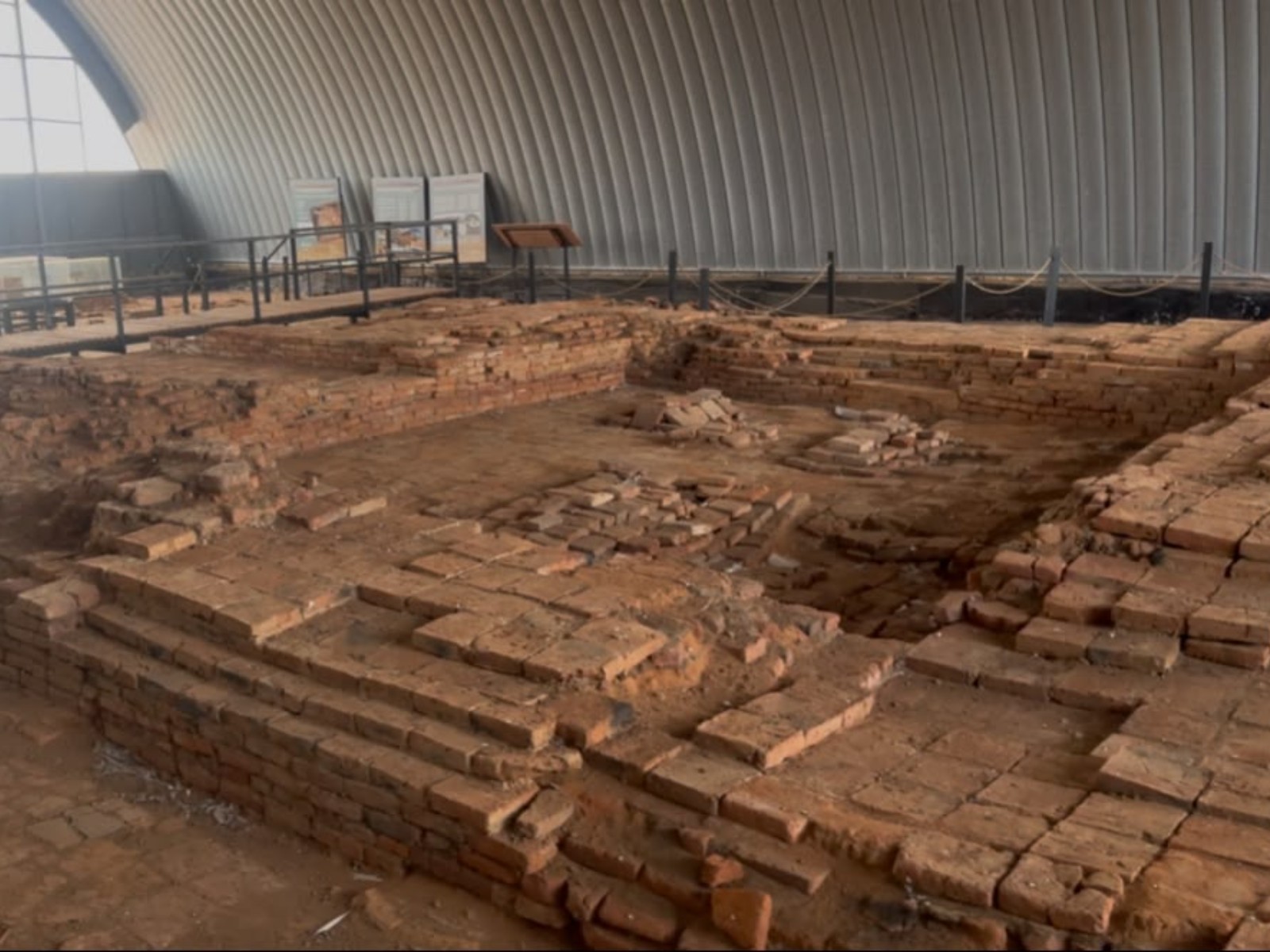
Between 2019 and 2021, a 14th-century mausoleum was investigated at the site. It is believed to have been associated with the Jochid dynasty. This discovery became one of the most significant findings in recent years in the study of Golden Horde heritage in Northern Kazakhstan. It offered a new perspective on the historical role of the region within the Jochi Ulus.
The fruitful cooperation between Kozybayev University and Margulan University began during the initial archaeological investigations at the site. The current joint research continues this collaboration, opening up new opportunities to study the site using modern technologies and a comprehensive scientific approach.
At the same time, Kyzyl-Oba is more than an individual architectural monument. It is part of a broader archaeological complex whose study may provide new insights into the medieval population of the region, its political and cultural ties, economic life, and historical continuity.
The next stage of research is scheduled to begin in 2027.
The research is expected to draw on the scientific expertise of both universities, national research institutes, and international partners. Combining archaeological, historical, and natural science approaches will make it possible to move beyond the study of individual structures and undertake a comprehensive reconstruction of the historical environment.
The main goal is not merely to investigate the site, but to gain a deeper understanding of the historical place of Northern Kazakhstan within medieval Eurasia. This comprehensive approach will make it possible to study not only architecture and material culture, but also the historical processes associated with the ethnopolitical organization of the Jochi Ulus, interactions among populations, cultural traditions, and continuity in the region’s historical and cultural development.
This archaeological complex could become a unique platform for bringing together researchers from different disciplines, training young scholars, and developing international research projects. Modern technologies provide new tools for exploring the past, while cooperation between universities and an interdisciplinary approach create opportunities to transform individual discoveries into a comprehensive scientific understanding of the history of the Great Steppe.