Quotation gallery
Education should turn out the pupil with something he knows well and something he can do well.
Stronger Asphalt, Less Waste: Kozybayev University Scientists Test a New Road Construction Technology
In his Address to the People of Kazakhstan on October 28, 2026, the President identified infrastructure development and improving road quality as priority tasks. Projects such as “People’s Construction” and the expansion of the Kokshetau–Petropavl highway require modern solutions to make road surfaces stronger and more durable. The Head of State also placed particular emphasis on the development of science and the commercialization of domestic innovations.
Scientists at M. Kozybayev North Kazakhstan University are contributing to these efforts by developing a technology for modifying road bitumen using industrial by-products.
The research was conducted in 2023–2025 with grant funding from the Ministry of Science and Higher Education of the Republic of Kazakhstan. Work to implement the technology is being carried out on the instructions of North Kazakhstan Region Akim Gauyez Nurmukhambetov.
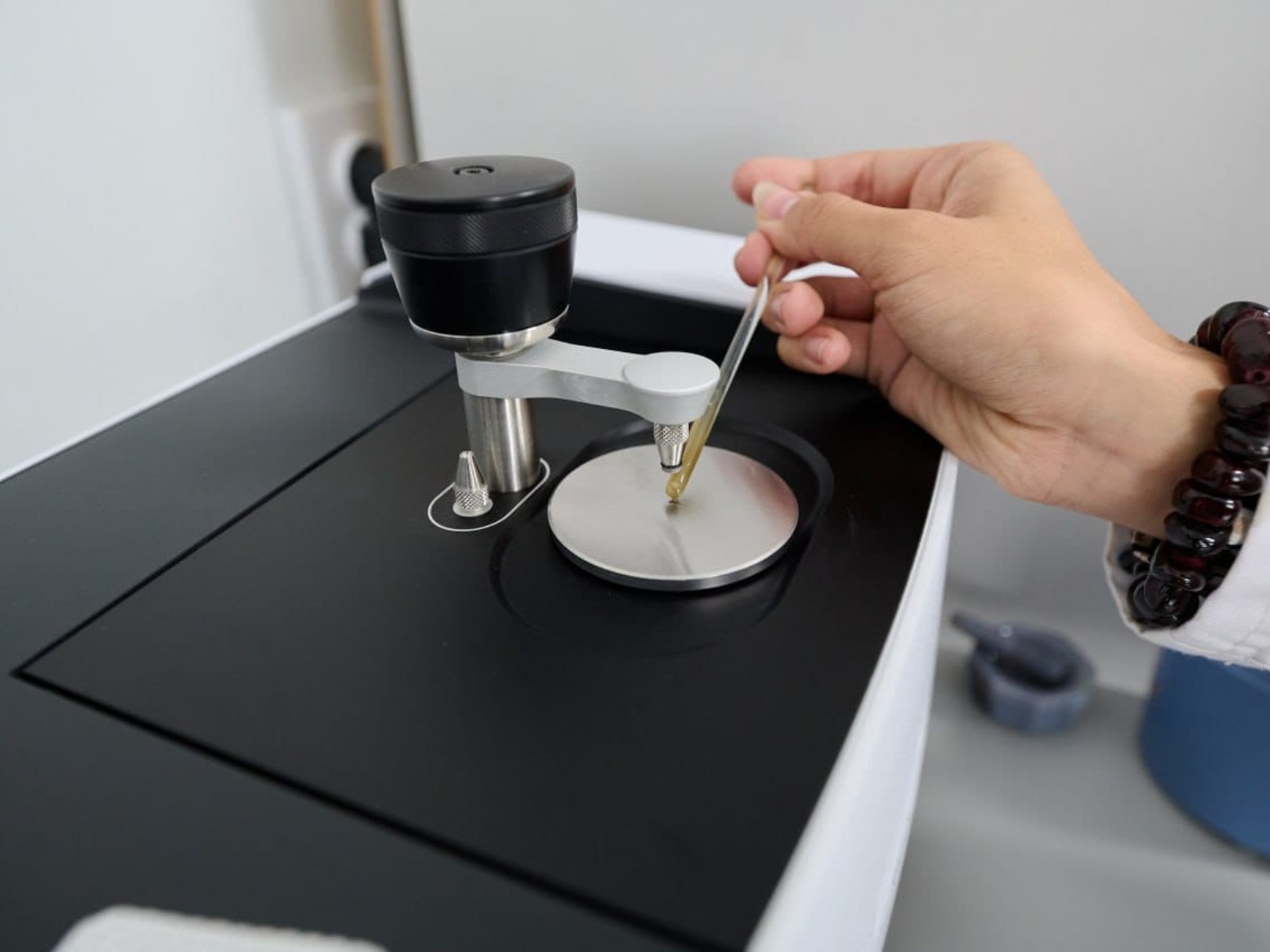
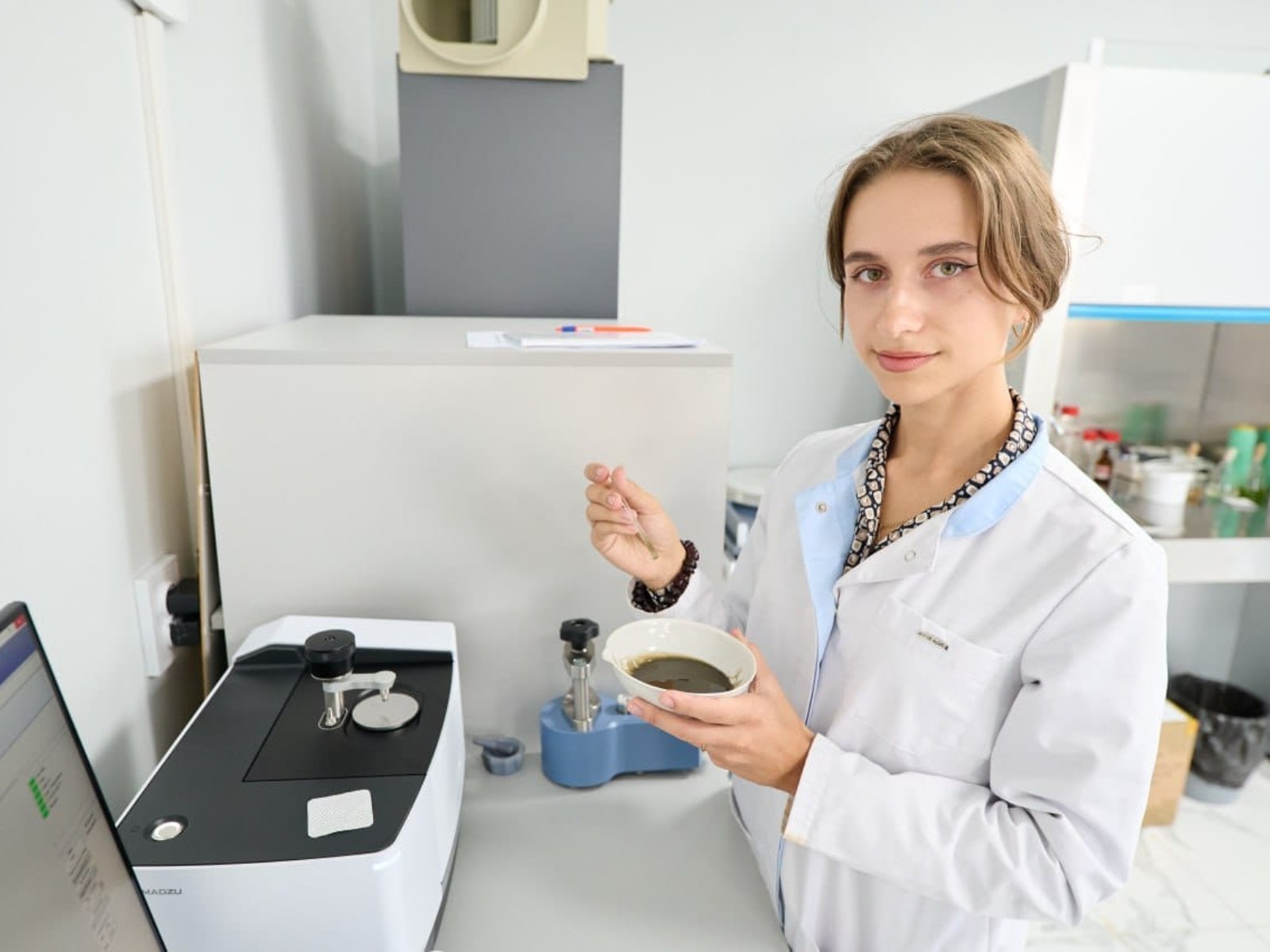
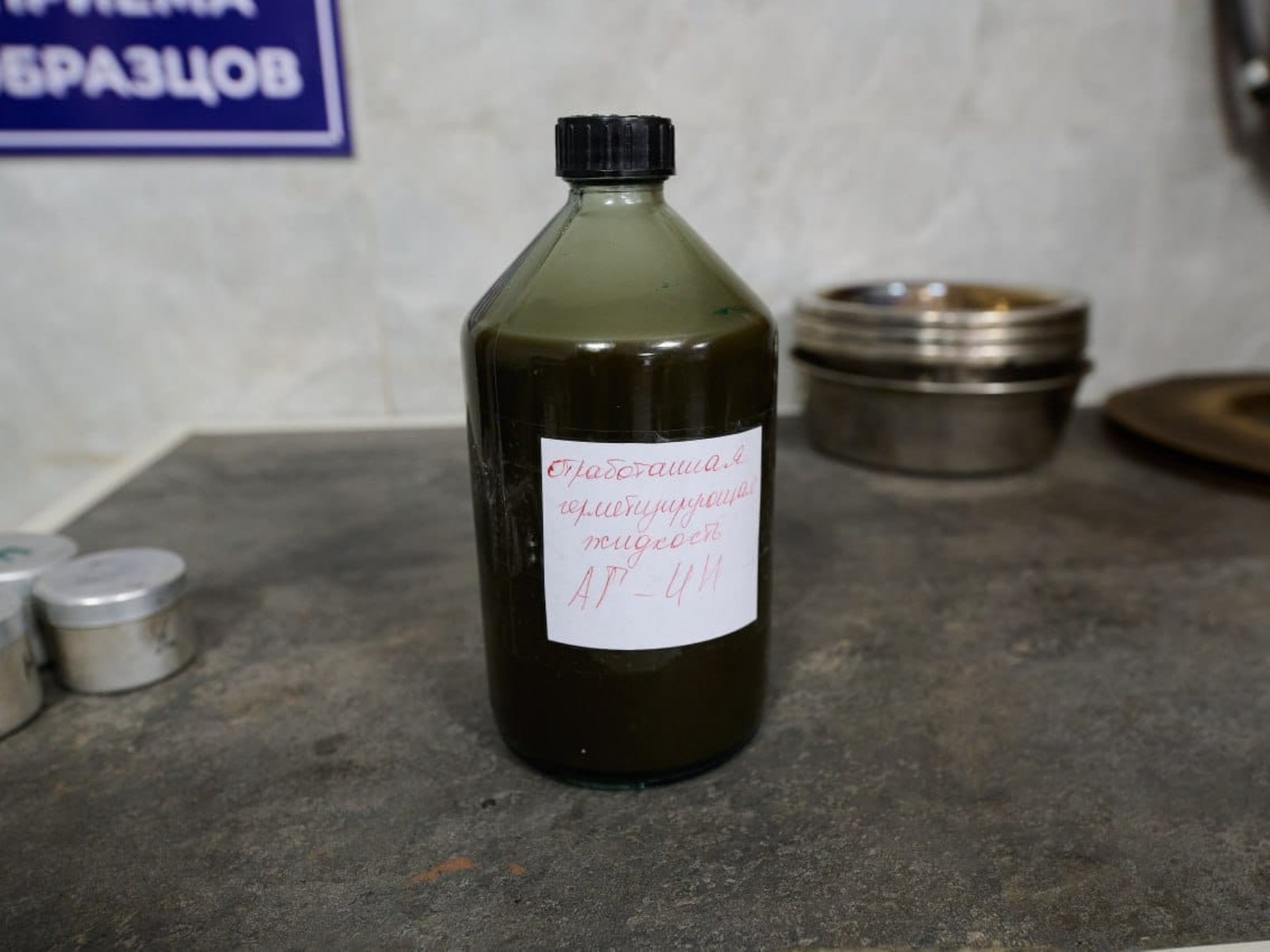
The research team is led by Antonina Dyuryagina, Candidate of Chemical Sciences and Professor at the University. The technology uses pre-treated waste sealing fluid from combined heat and power plants, along with an additive synthesized by university scientists from petrochemical production waste. This approach improves the properties of road construction materials while enabling the reuse of industrial waste.
“Our goal was to develop a technology that meets the requirements of road construction under Kazakhstan’s climatic conditions. It was important not only to improve the properties of bitumen but also to incorporate secondary raw materials into production. In this way, scientific research gains both practical and environmental value,” says Antonina Dyuryagina.
First, the scientists determined the optimal composition of the additives and studied their effects on bitumen and asphalt concrete. The technology was then tested at the independent, accredited Stroyexpert laboratory.
The results showed that the asphalt concrete absorbed 35% less water, while its strength after water saturation was almost 50% higher than that of the control samples. Its heat resistance performance also improved.
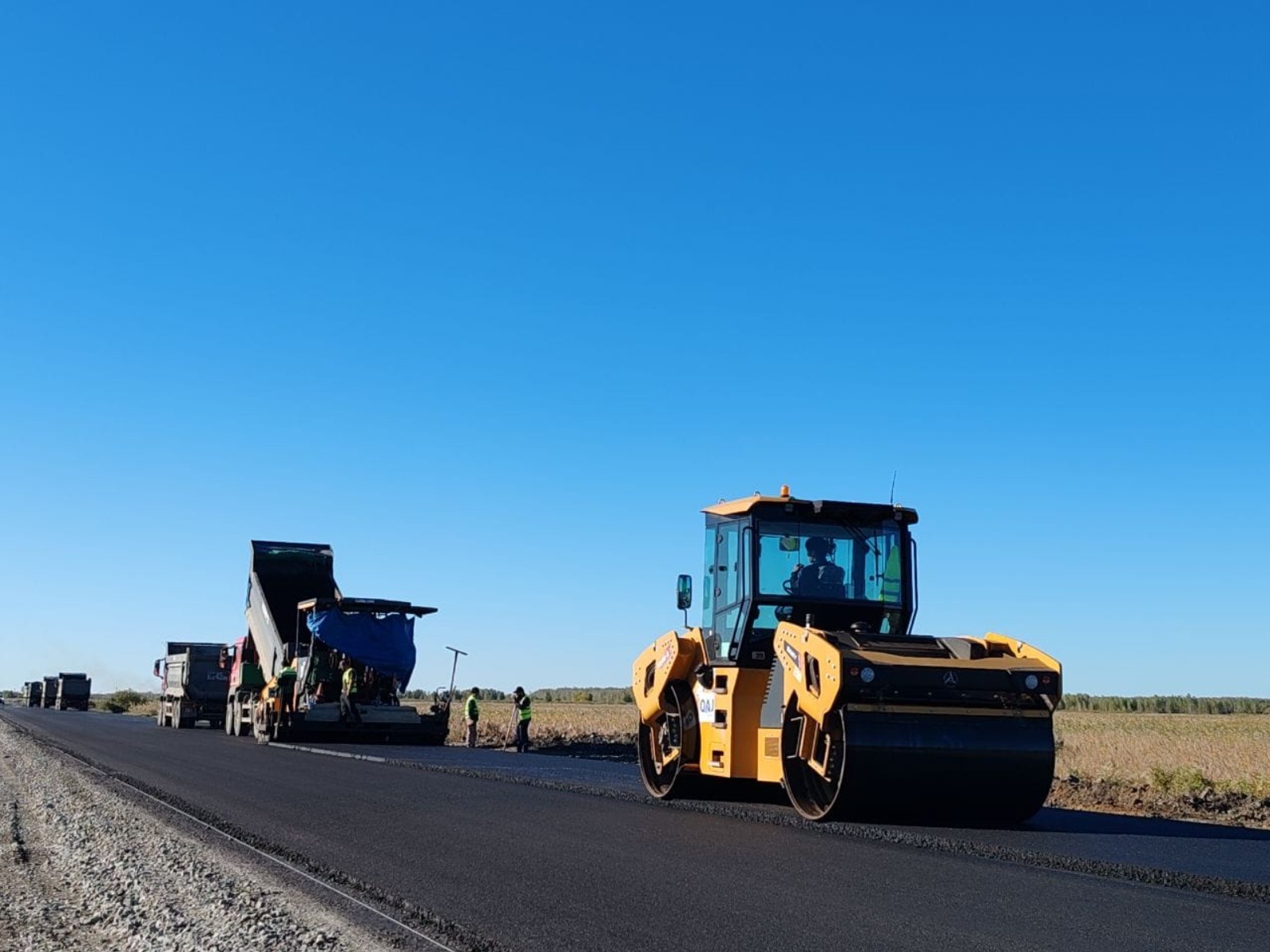
The next stage involved practical application. An asphalt concrete plant produced 40 tonnes of modified bitumen, which was used to pave a 200-metre trial section of the Karakoga–Petropavl road. Laboratory tests of the collected samples confirmed that the pavement met the applicable regulatory requirements.
Road organizations in the region are participating in the technology’s pilot testing. The North Kazakhstan Regional Branch of NC QazAvtoZhol JSC supported the scientists’ initiative and allocated a trial section of the highway. The North Kazakhstan Regional Branch of the National Center for Road Asset Quality, a state enterprise operating under the right of economic management, provided the necessary laboratory testing of the mixture free of charge.
“For us, it was essential to bring the development to practical application. We progressed from selecting the composition in the laboratory to producing an industrial batch and paving a trial road section. The next step is to assess how the pavement performs under real-world conditions,” says Yulia Byzova, Head of the Department of Chemistry and Chemical Technologies and Associate Professor.
Following the autumn-winter and spring seasons, specialists will assess the condition of the pavement. They will check for cracks, rutting, and other defects, as well as changes in its strength and water resistance. The results will be compared with those from the control section. This will help determine the technology’s effectiveness under actual operating conditions.
According to the researchers’ estimates, processing 10,000 tonnes of bitumen annually would allow up to 10 tonnes of secondary raw materials to be reused. This would enable industrial waste to be incorporated back into production and reduce the volume of materials requiring disposal.
This approach supports the objectives of the nationwide Taza Kazakhstan initiative, which promotes the rational use of resources and waste reduction.
Further implementation of the technology will depend on the monitoring results and completion of the required approval procedures. If its effectiveness is confirmed, the technology could be scaled up for use on roads across Kazakhstan.
The Kozybayev University project demonstrates how grant funding from the Ministry of Science and Higher Education of the Republic of Kazakhstan helps translate scientific developments into practical applications. Cooperation among researchers, regional authorities, and road organizations creates favourable conditions for introducing domestic technologies and developing the country’s road infrastructure, fully aligning with the priorities outlined in the President’s Address.